











Septic and Plumbing: Professional Septic Plumber & Tank Services
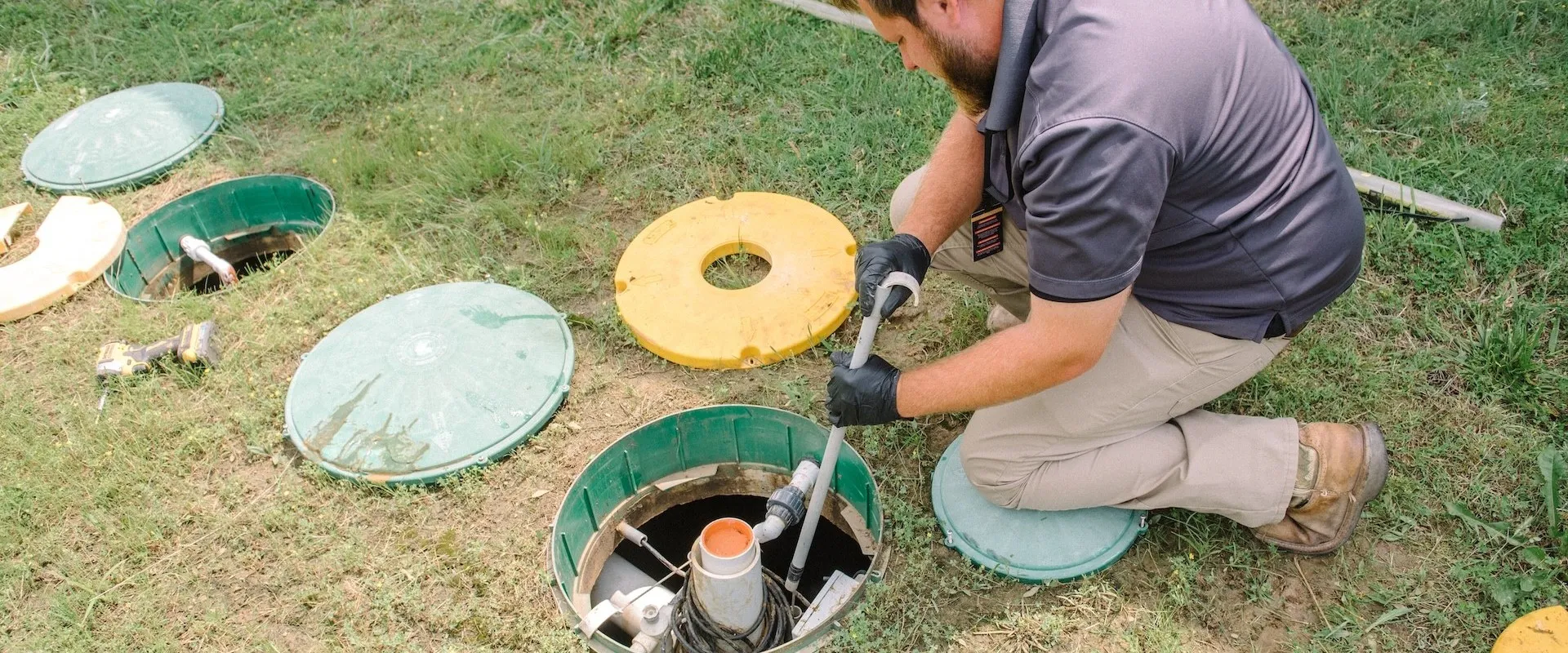
Maintaining a healthy home environment requires a seamless connection between your indoor fixtures and your outdoor waste management system. While many homeowners search for a "septic plumber" during an emergency, understanding the synergy between septic and plumbing is the key to preventing catastrophic system failures. Whether you are dealing with a localized clog or a full-scale drainfield malfunction, our team provides the expert plumbers septic service required to keep your household running smoothly.
Diagnostic Guide: Do You Need a Plumber or a Septic Specialist?
Identifying the source of a drainage issue is the first step in effective repair. Because septic systems are typically installed outside the house, problems can originate in the indoor piping or the external treatment structure.
Common Indoor Plumbing Signs (Localized Clogs)
If only one specific fixture — such as your kitchen sink or a single toilet — is draining slowly, you likely have a localized plumbing issue. A standard plumber can usually resolve these "indoor pipe" problems by clearing the trap or snaking the immediate line.
Critical Septic System Warning Signs (Main Line Backups & Odors)
When multiple areas of the home are affected simultaneously (e.g., the kitchen sink gurgles when you flush the bathroom toilet), the issue likely resides in the main sewer line or the septic tank itself. Other critical signs include foul odors near the tank, soggy ground outside even without rain, or "overly green" grass in the drainfield area.
How to Check Your Cleanout for Standing Water
The "cleanout" is a short PVC pipe sticking out of the ground between your house and the tank. To diagnose your system:
- Remove the cap and look inside.
- No standing water: The problem is between your house and the cleanout — call a plumber.
- Standing water visible: There is a blockage between the cleanout and the tank, or the tank is overflowing — you need a septic professional immediately.
Smart Septic Technology
IoT Sensor Installation for Real-Time Performance Tracking
Modern smart systems use durable IoT sensors to track water levels, flow rates, and pH balance in real-time. These devices alert you via smartphone before a minor clog becomes a major backup.
Predictive Maintenance and Bacteria Balance Alerts
Advanced AI-driven analysis can now predict when your tank needs pumping based on actual usage rather than just a calendar schedule. These systems monitor the bacterial activity within the tank, ensuring the anaerobic or aerobic processes are functioning at peak efficiency.
Regulatory Compliance and Environmental Safety
Proper wastewater management is a legal and environmental necessity governed by state and federal mandates.
EPA Standards and Local Health Department Requirements
The EPA implements strict regulations, such as the Clean Water Act, to reduce pollution from failing onsite systems. Compliance involves meeting specific setback distances from property lines and ensuring that nitrate and phosphorus levels do not contaminate local water bodies.
Protecting Groundwater and Property Value
A failing septic system can leach harmful pathogens into the groundwater, endangering your drinking supply and devaluing your property. Properties connected to modern, well-maintained septic systems or those following "septic-to-sewer" transition plans often see increased market appeal.