Sewer Plumbing: What It Is, How It Works, and When to Call a Licensed Plumber
Your home's sewer plumbing system is the network of pipes and drain lines responsible for removing wastewater from every fixture in the house — sinks, toilets, showers, bathtubs, and floor drains — and routing it to the municipal sewer main or a private septic system.
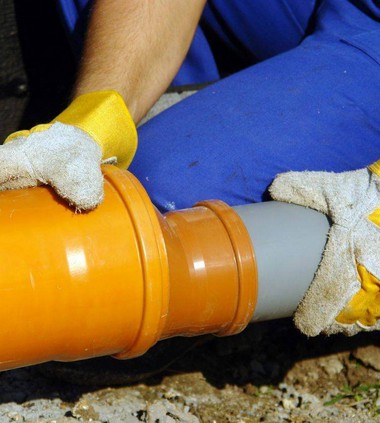
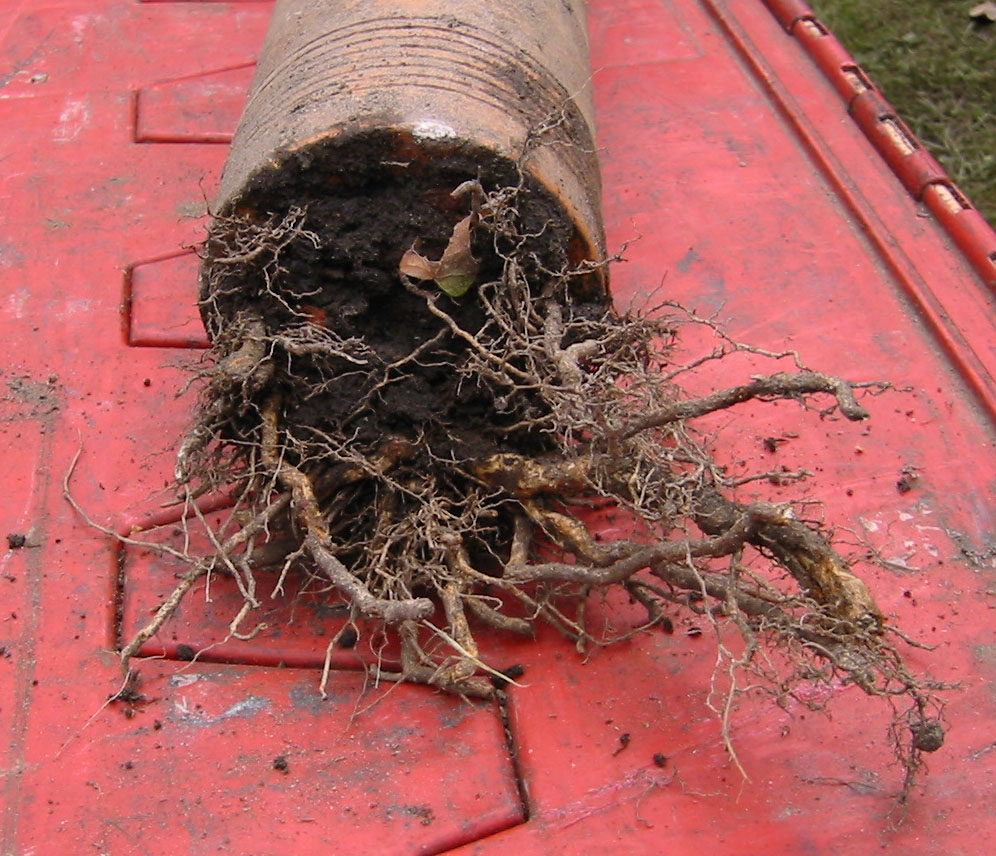
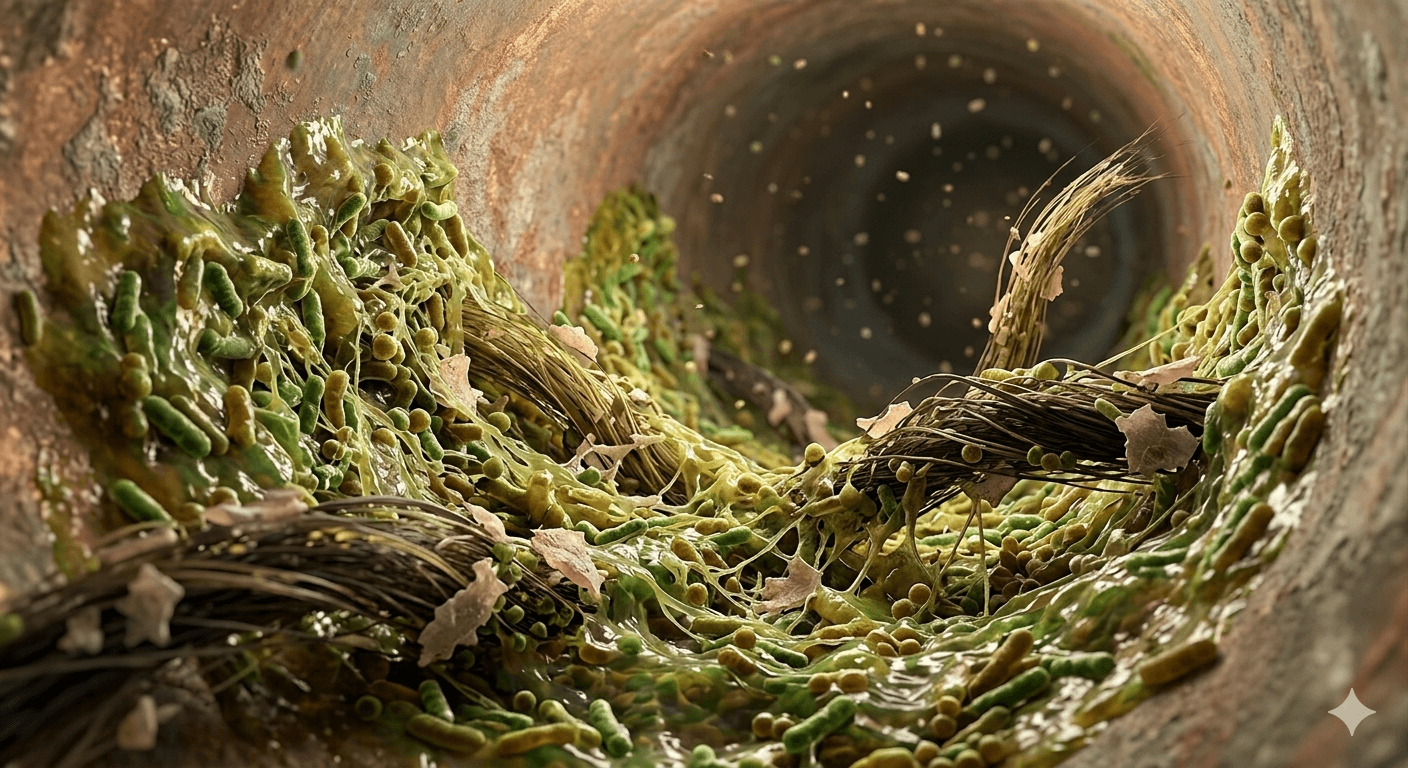
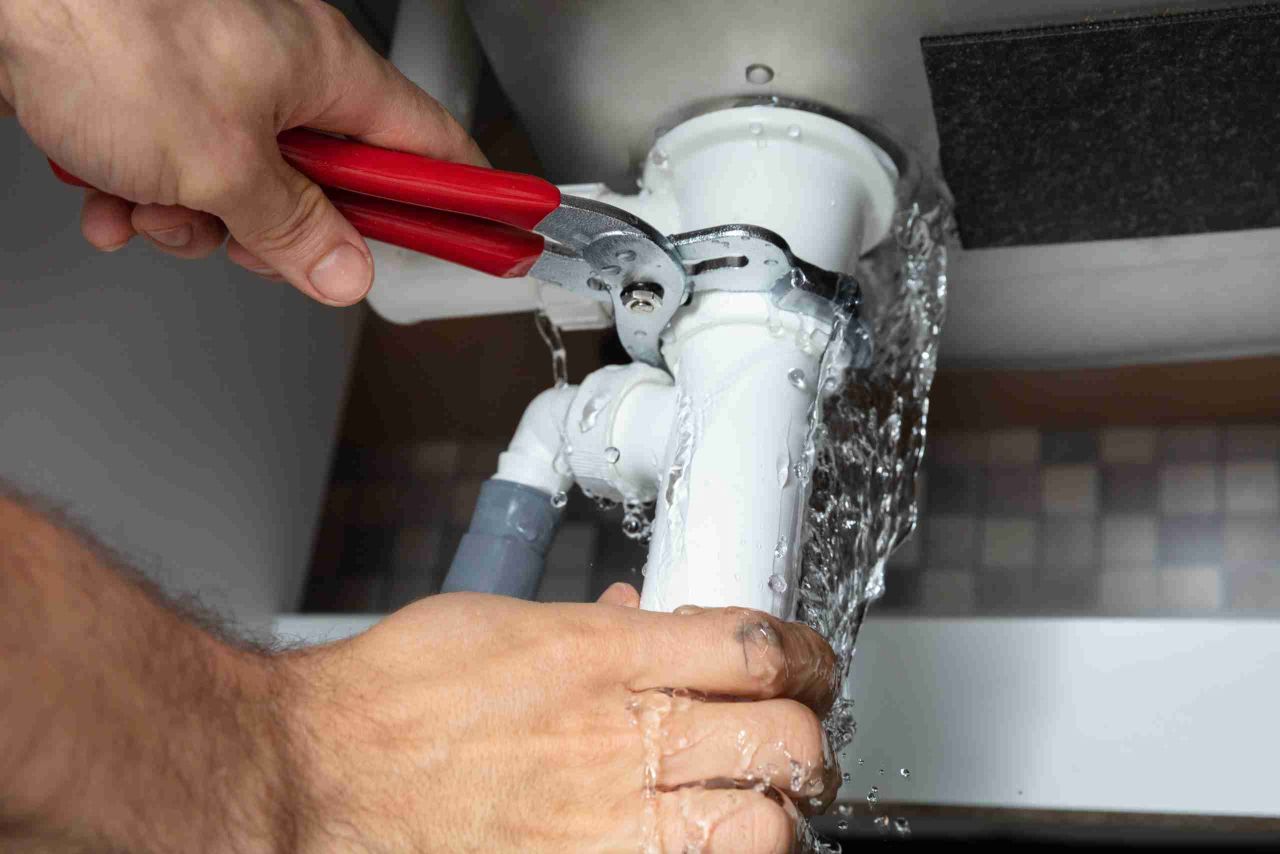
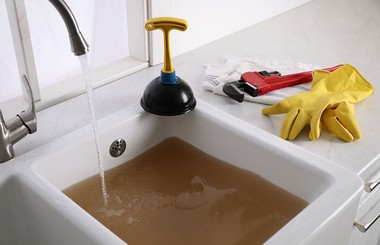
At the center of this system is the main sewer line: a single underground pipe, typically 4–6 inches in diameter, that collects flow from all your branch drain lines and carries it out of the building. When this line develops a clog, crack, root intrusion, or collapse, every drain in the house is affected at once — backed-up toilets, slow-draining sinks, sewage odors, and potential sewage backup inside your home.
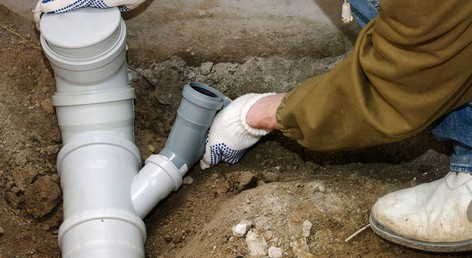
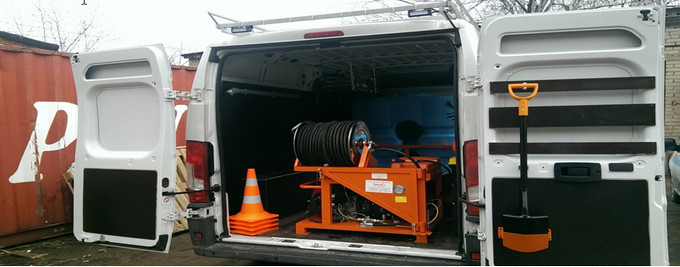
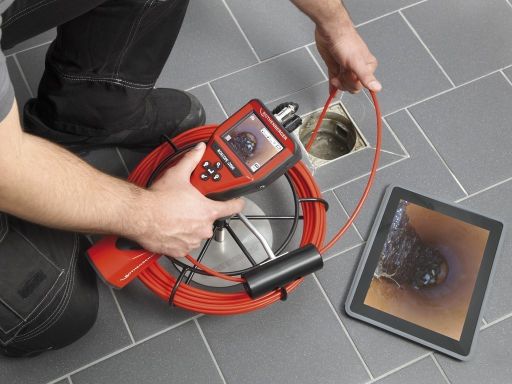
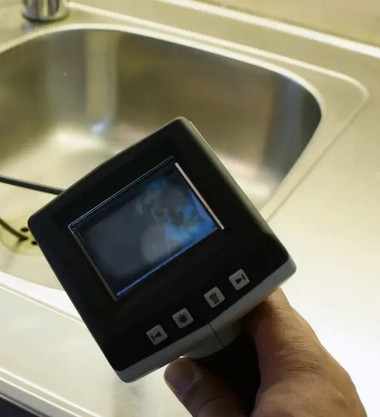
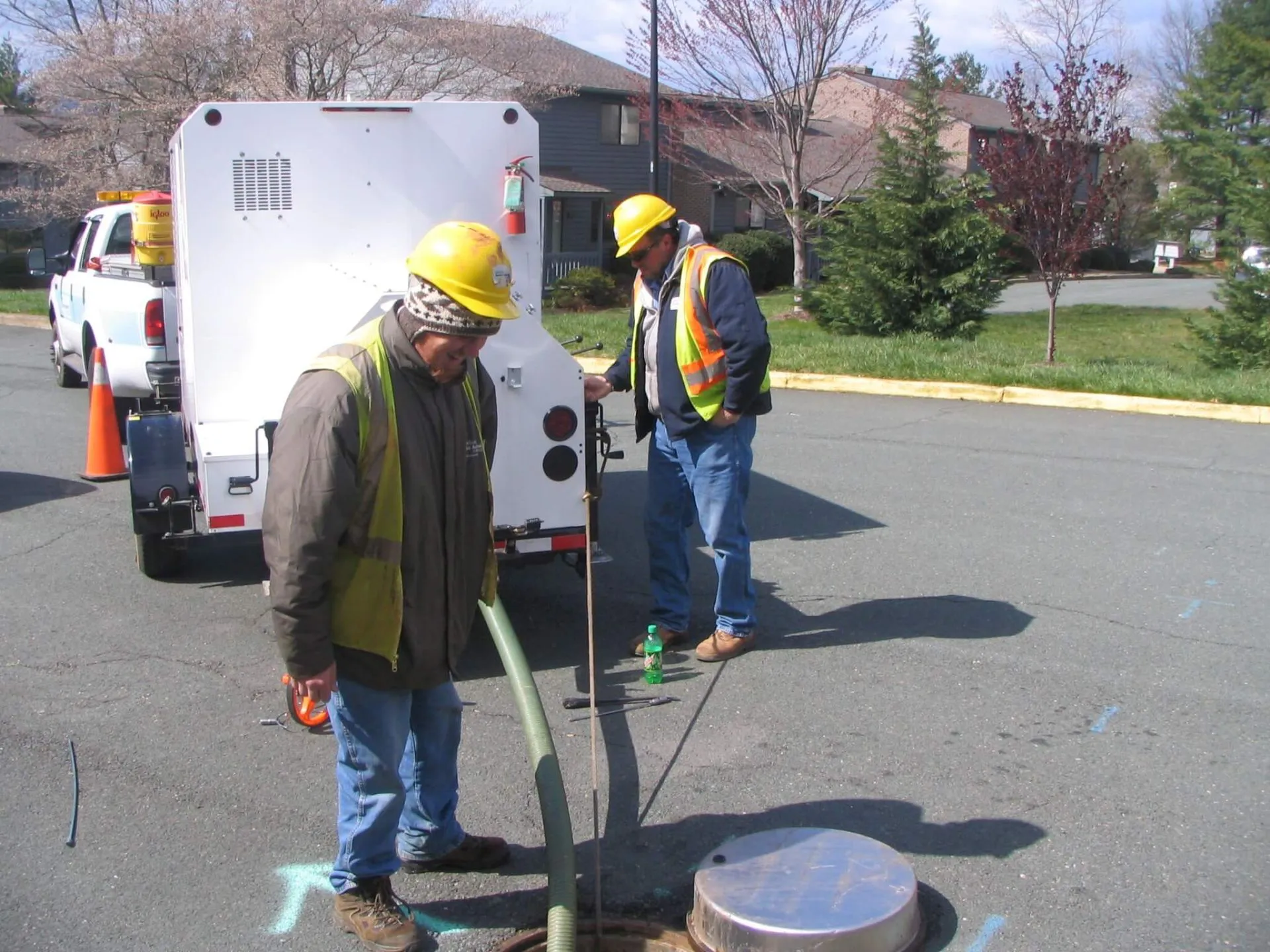
Keeping your sewer and drain system clean and structurally sound requires periodic professional drain cleaning, timely sewer line inspection using CCTV video camera technology, and — when damage is found — expert sewer line repair or replacement performed by a licensed, insured plumber.
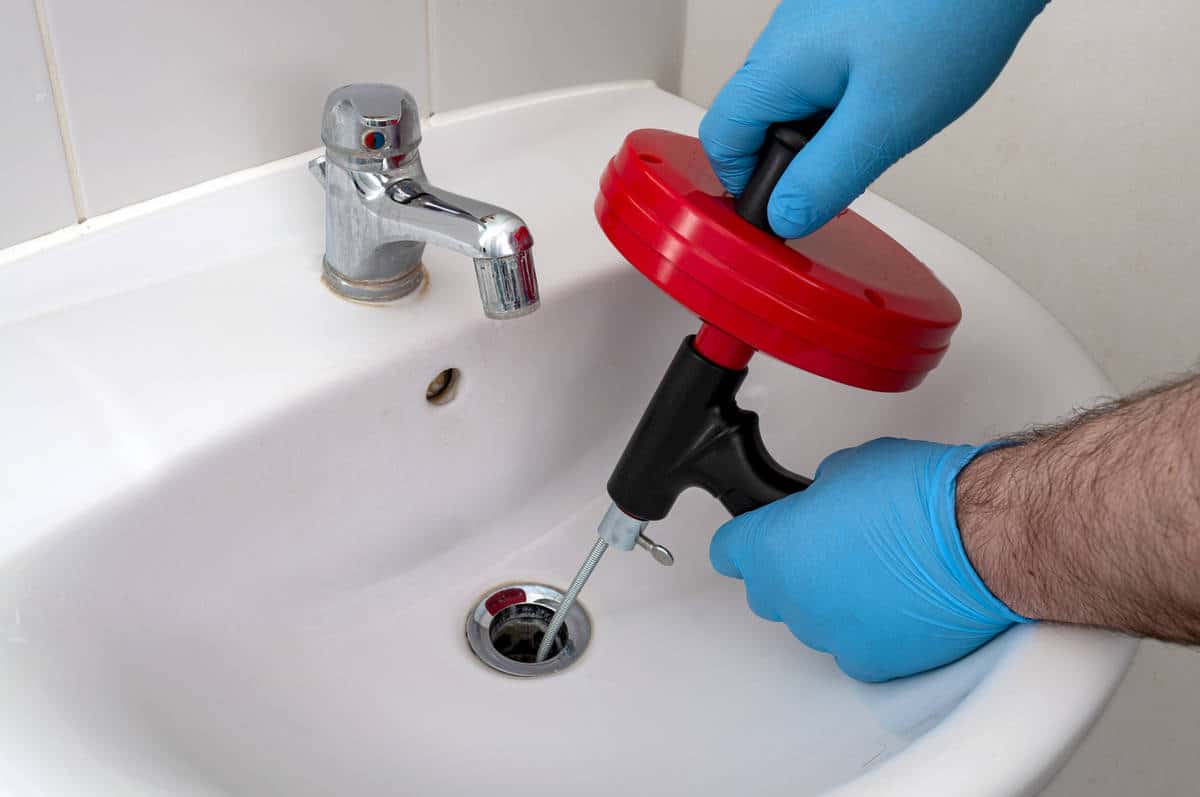
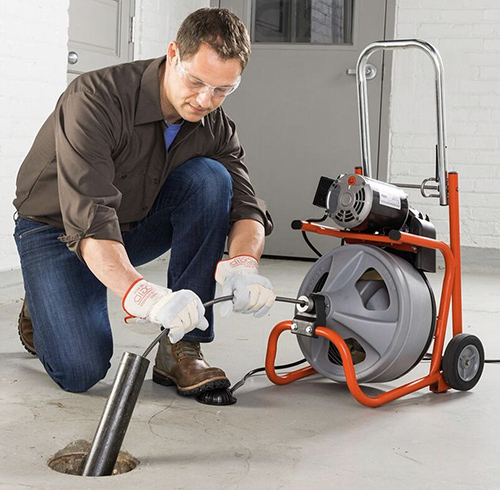
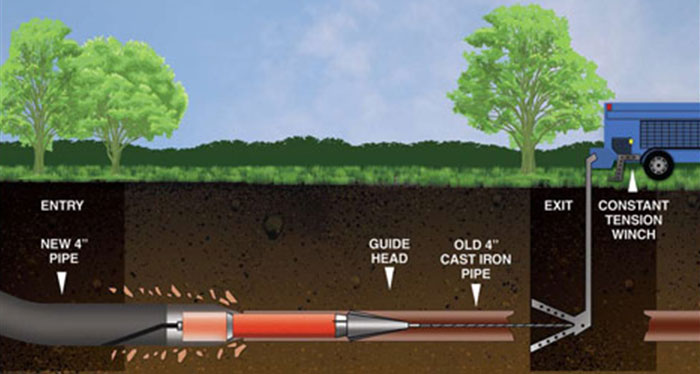
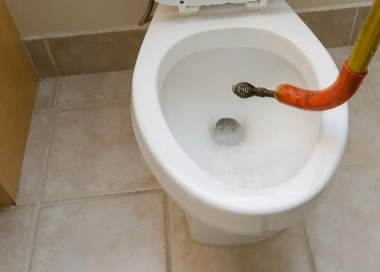
Whether you're dealing with a stubborn drain clog, a main sewer line blockage caused by tree root intrusion, aging cast iron or clay pipes, or a fully collapsed sewer line, a qualified sewer and drain plumber has the tools to restore your system to full function — from hydro jetting and drain snaking to trenchless pipe lining and pipe bursting — with minimal disruption to your property.