
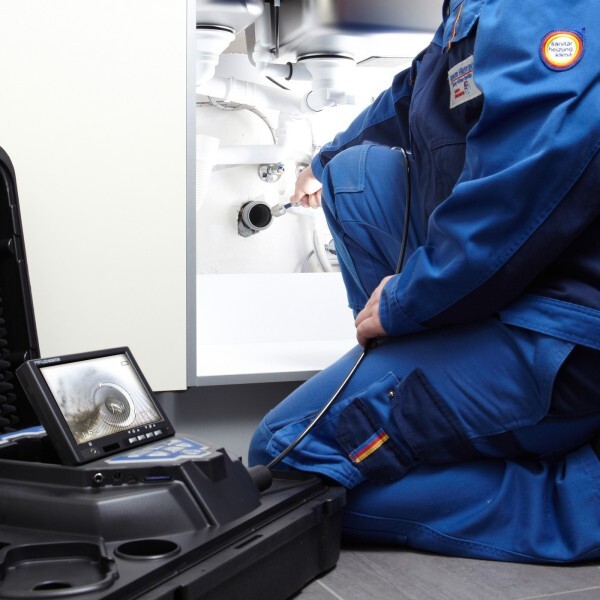








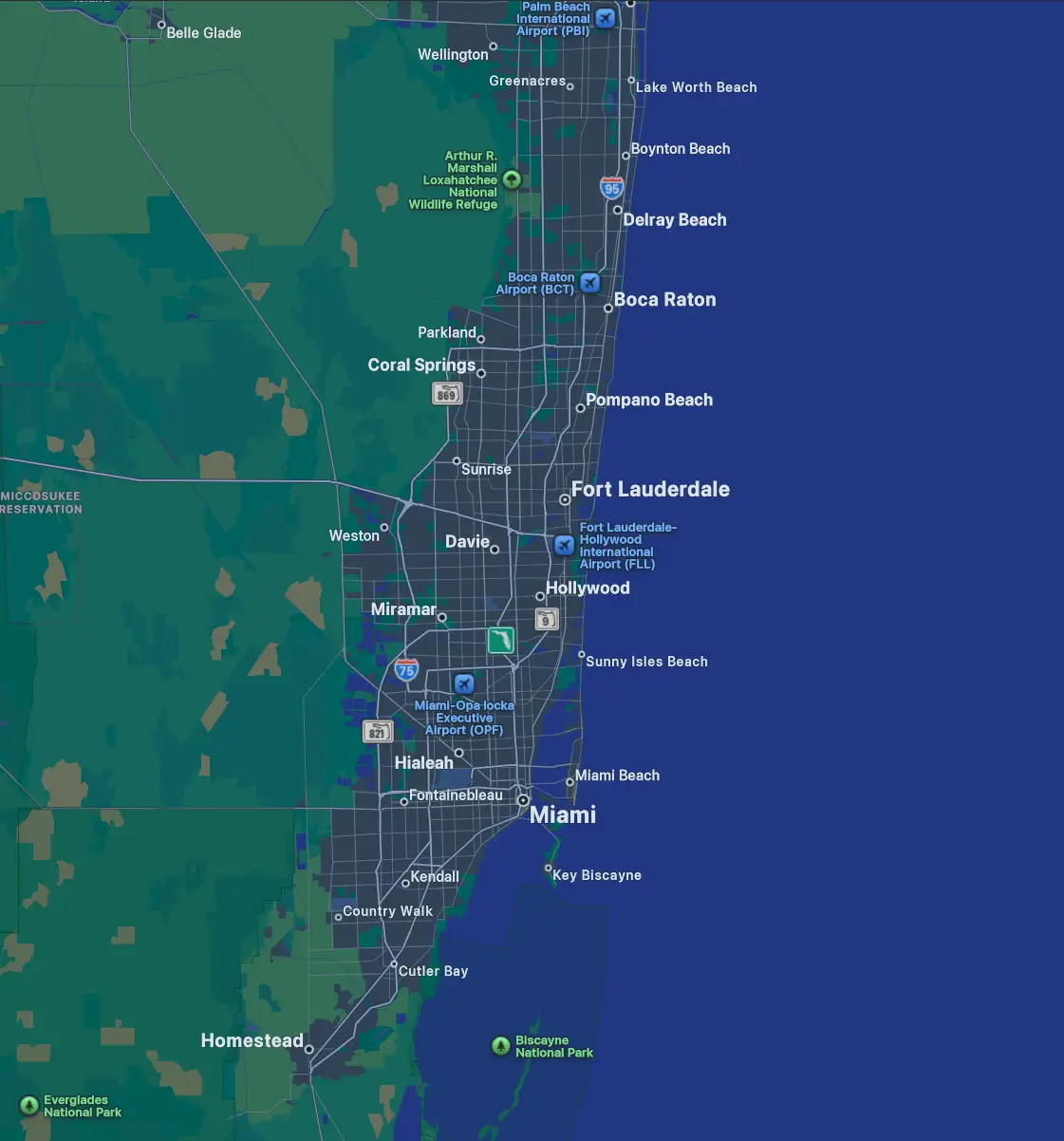


Living in Miami comes with unique challenges for homeowners, especially when it comes to plumbing. The combination of high humidity, sandy soil, and aging infrastructure makes water leak detection a critical service for protecting your property. Hidden leaks can cause catastrophic damage to Miami homes, leading to structural damage, dangerous mold growth, and wasted thousands of gallons of water. This guide explores why professional leak detection and repair services are essential for Miami residents and how the right specialists use advanced technology to protect your home with precision and care.
The Hidden Dangers of Undetected Water Leaks in Miami Homes
Many homeowners only discover a leak when visible damage appears, but by then, the problem has often escalated into a major repair. In Miami's specific environment, the risks are particularly severe.
Anytime, Anywhere: 24/7 Emergency Plumbing
Miami's sandy soil provides poor support for foundations when compromised by water. A persistent slab leak can wash away soil underneath your home's foundation, leading to foundation cracks and uneven settling. The constant moisture from an undetected pipe leak can weaken wooden structures, rust metal supports, and damage drywall, leading to costly restoration work. For condominium owners, a leak can affect multiple units, creating complex liability issues. The high water table in many parts of Miami means that leaks can also contribute to basement flooding or crawl space saturation, even during dry weather.
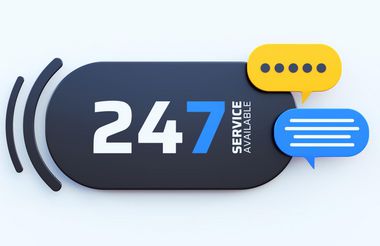
Health Hazards: Mold and Mildew in Humid Climates
Miami's tropical climate is the perfect breeding ground for mold and mildew. A hidden leak provides the constant moisture these organisms need to thrive within your walls, under floors, or in ceilings. Exposure to mold can trigger serious health issues, including respiratory problems, allergic reactions, and asthma attacks, particularly in children and the elderly. The musty odor associated with mold is often the first sign homeowners notice, indicating a significant hidden moisture problem. Professional leak detection is the only way to find the source and prevent these health hazards from taking root in your home.
DIY vs. Professional
| Leak Scenario | DIY Solution | Professional Plumber |
|---|---|---|
| Faucets & Showerheads | Replacing worn-out washers, seals, or O-rings using a standard wrench. | Addressing persistent drips caused by internal valve body corrosion or high-pressure surges. |
| Toilets | Swapping a faulty flapper or adjusting the fill valve level | Fixing leaks at the base (wax ring failure) or repairing internal tank-to-bowl cracks. |
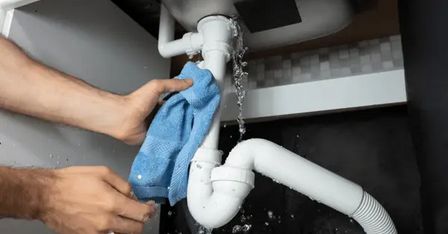
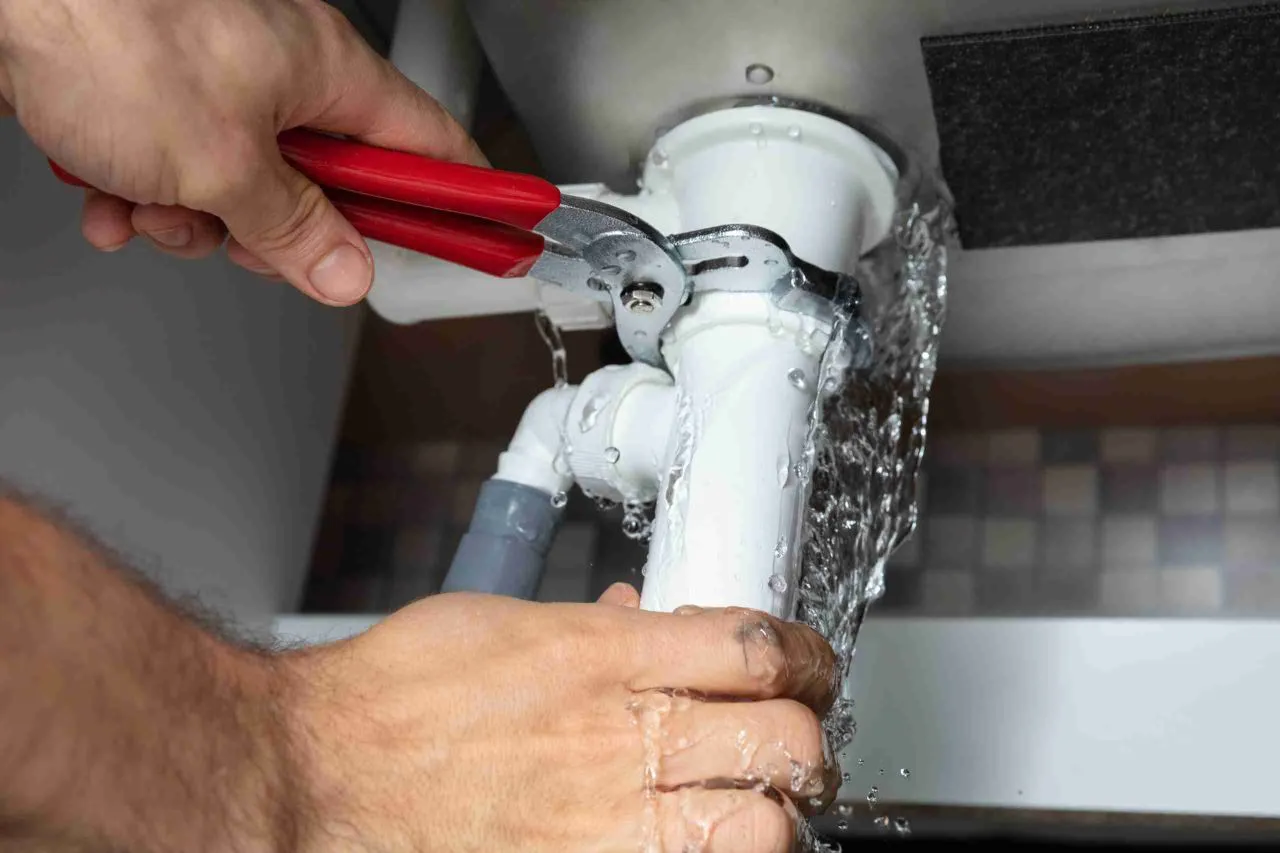
| Exposed Pipes (Under Sinks) | Tightening loose slip nuts or replacing a plastic P-trap assembly. | Repairing pressurized supply line pinholes or systemic corrosion in copper/galvanized pipes. |
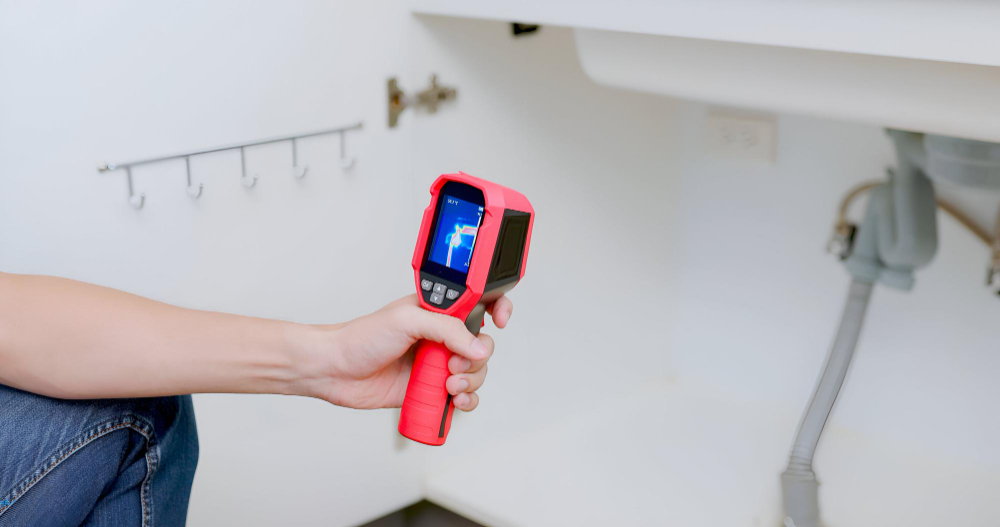
| Hidden Wall/Ceiling Leaks | Visual identification of damp spots, bubbling plaster, or musty odors. | Pinpointing source with non-invasive thermal imaging and moisture meters to avoid unnecessary demolition. |
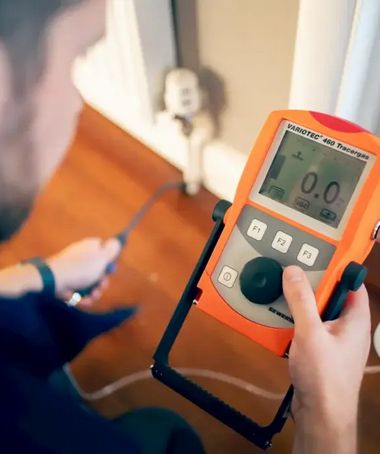
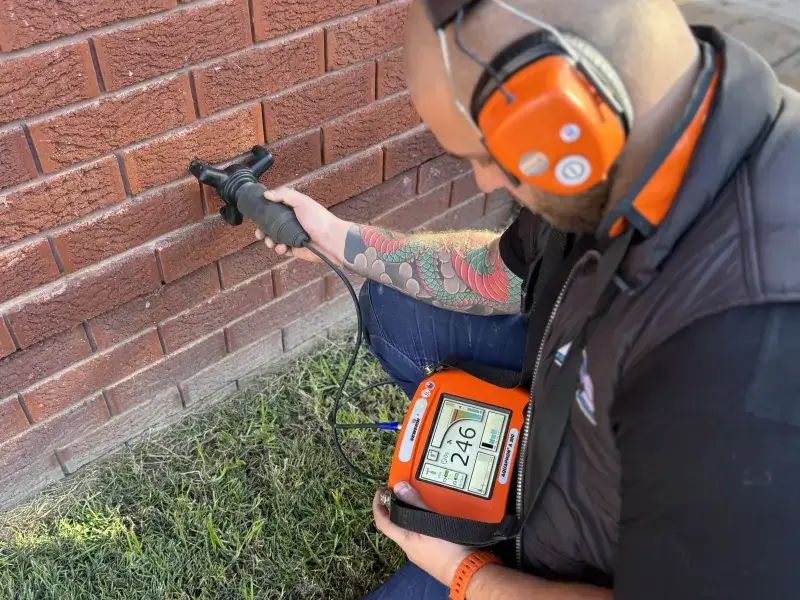
| Slab & Foundation Leaks | Not feasible; homeowners lack the necessary sonic diagnostic equipment. | Mandatory licensed intervention using acoustic sensors and tracer gas to protect structural integrity. |
| Main Service Lines | Monitoring the water meter for movement when all fixtures are off. | Locating deep underground leaks using ground microphones and hydrostatic pressure testing. |