Table of Contents
Quick Answer: The 60-Second Summary
- Best for: Slow-draining toilets caused by paper or organic waste.
- The Recipe: 1 cup baking soda + 2 cups white vinegar (9% acetic acid).
- Wait Time: 30 minutes to overnight.
- Safety First: Never use boiling water; use warm water (104-122°F) to avoid cracking the porcelain [3].
- The "Stop" Rule: If water is backing up into your shower, call a professional immediately—this is a main line failure.
Will This Actually Work? (The Diagnostic)
Before you raid the pantry, let's see if this is a waste of your time. We've seen homeowners spend hours on a clog that was never going to budge with soda.
- The "Slow Drain": If the water eventually goes down but takes its sweet time, this method is highly effective [1]. In light to medium paper clogs, we see a success rate of about 50-60%.
- The "Dead Stop": If the water is sitting still and hasn't moved an inch in an hour, the reagents won't reach the clog. You'll need a plunger or an auger (a flexible rod used to clear deep pipe obstructions).
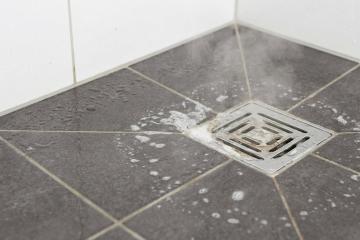
- he "Gurgle": If you flush the toilet and water bubbles up in the shower or tub, stop. This indicates a blockage in the main sewer line. No amount of vinegar will fix that—you need a pro before you ruin your floors.
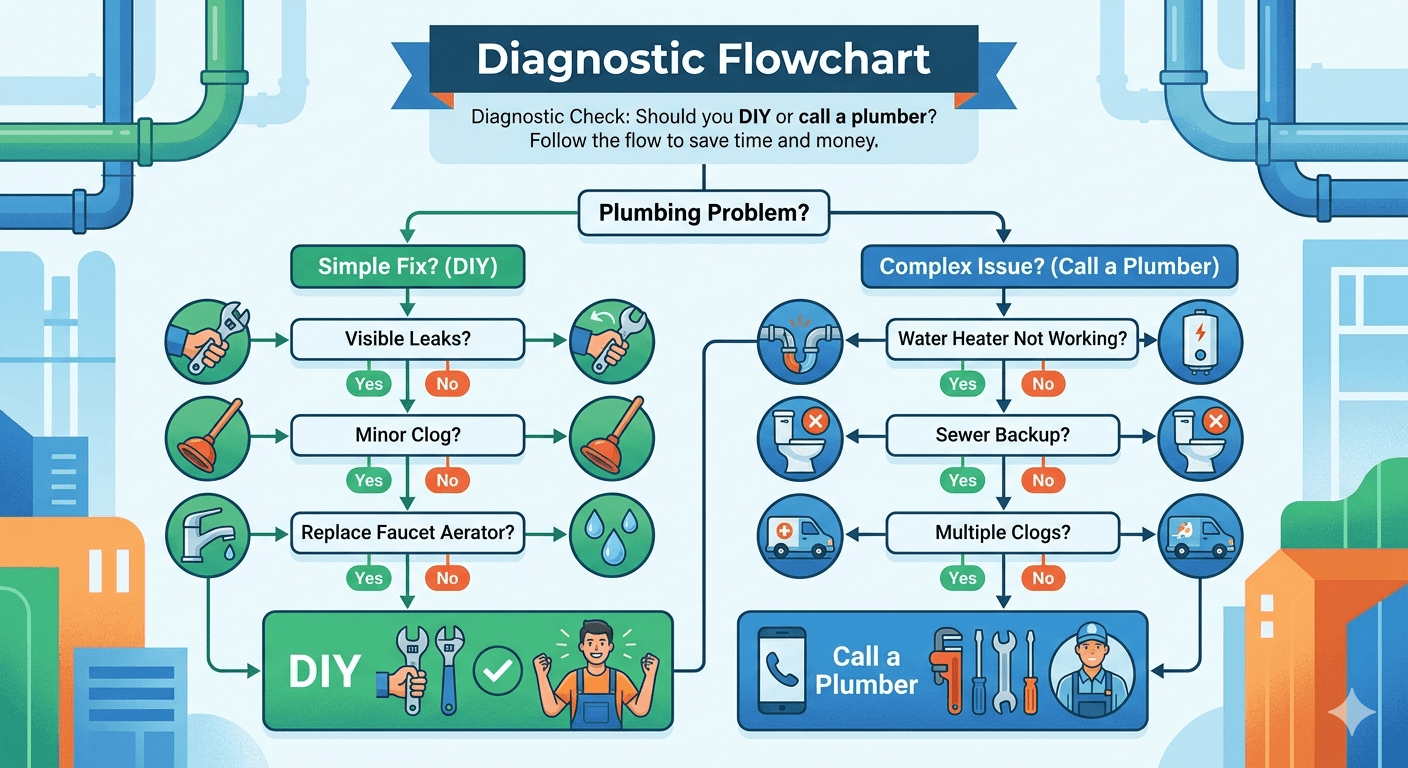
Diagnostic Check: Should you DIY or call a plumber? Follow the flow to save time and money.
Your Rescue Checklist: What You'll Need
Don't start until you have everything ready. Precision matters when you're playing chemist in your bathroom.
- Baking Soda (Sodium Bicarbonate): 1 cup.
- White Vinegar (9% Acetic Acid): 2 cups. We recommend a 1:10 ratio of soda to liquid to ensure the acid doesn't get neutralized too early in the process [2].
- Warm Water (The Safety Zone): Aim for 104-122°F (40-50°C).
- Safety Gear: Put on your rubber gloves and eye protection. You don't want a vinegar-soda "volcano" splashing in your eyes.
⚠️ CRITICAL SAFETY WARNING: Never pour boiling water into a porcelain throne. The thermal shock (a sudden temperature change) can crack the bowl instantly, turning a $10 clog into a $500 replacement [3]. This applies to both old cast iron and modern PVC (polyvinyl chloride) pipes.
Step-by-Step: Clearing the Clog Like a Pro
Follow these steps exactly. We're looking for a controlled reaction, not a bathroom flood.
Step 1: Check the Water Level
The bowl should be about half full. If it's filled to the brim, you've got to bail some out manually. If it's bone dry, add a little water. You need enough space for the fizzing foam to work without overflowing onto your rug.
Pro Tip: If you suspect the clog is "greasy" (from kitchen waste trapped in the toilet), pour half a cup of dish soap into the toilet 15 minutes before flushing. This will lubricate the pipes and help break up the grease.[4].
Step 2: Drop the Base
Pour that 1 cup of baking soda directly into the drain hole. Give it a second to sink so it's sitting right against the obstruction.
Step 3: Trigger the Reaction
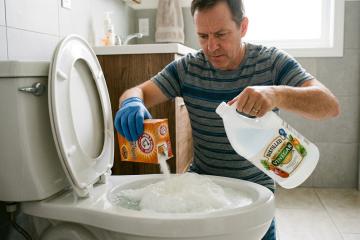
Slowly—and we mean *slowly*—pour in the 2 cups of vinegar. You're going to see a lot of fizzing and foam. That's the carbon dioxide doing the heavy lifting for you.
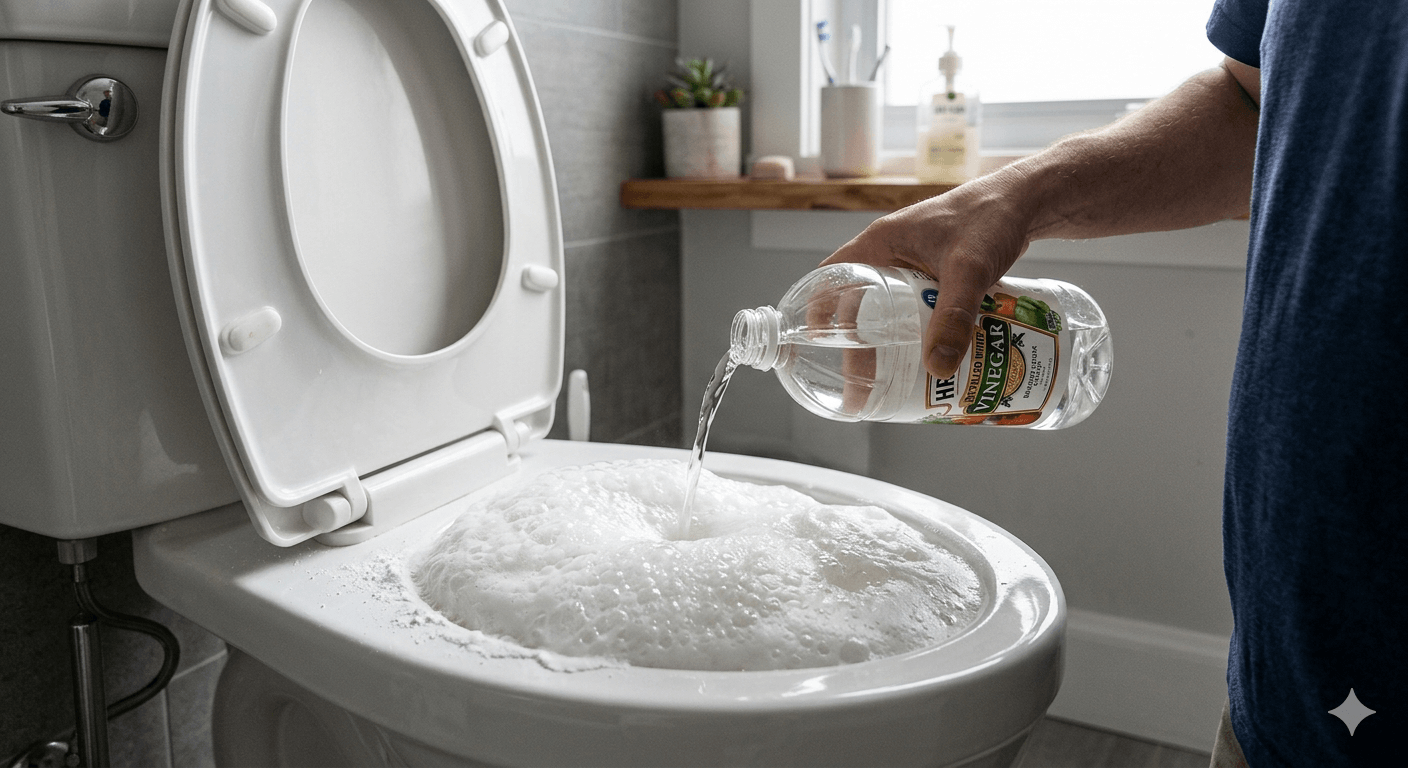
The chemical reaction in action: adding vinegar slowly ensures the foam stays inside the bowl.
Step 4: The Waiting Game
Let it sit for at least 30 minutes. If the clog is being real stubborn, leave it overnight. Once time is up, pour a bucket of warm water from waist height. That extra bit of "gravity-fed" pressure helps push the loosened debris through.
Why This Works: The Science of the Fizz
When we mix baking soda (a base) and vinegar (an acid), they create carbonic acid, which immediately turns into water and CO2 gas.
1. Mechanical Pressure: Those thousands of tiny CO2 bubbles act like a microscopic jackhammer, loosening the mass from the inside out. It doesn't dissolve plastic or toys, but it softens paper and organic waste.
2. The Slick Finish: The byproduct, sodium acetate, acts as a mild lubricant to help the rest of the mess slide down the pipe.
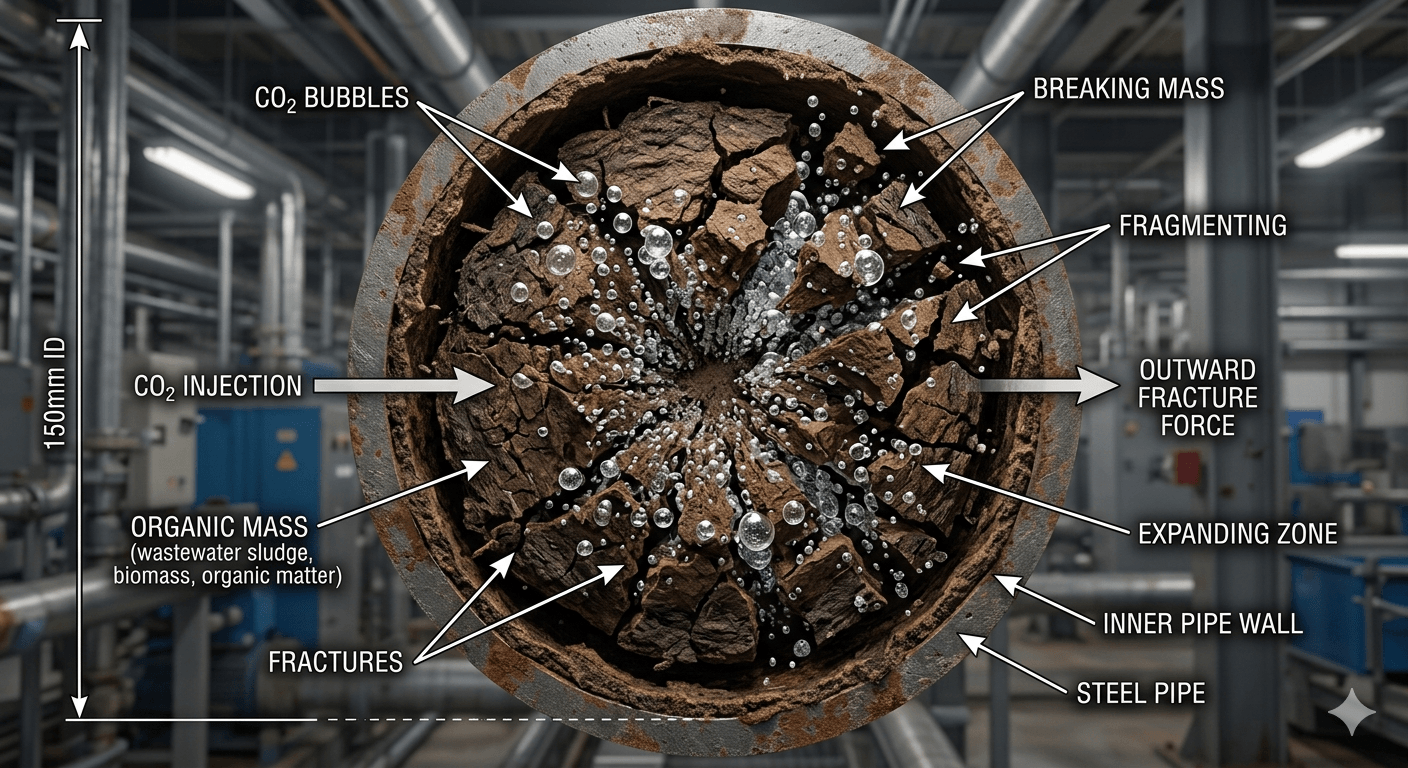
Inside the pipe: CO2 bubbles penetrate the organic mass, expanding and breaking it apart from the center.
Pipe Safety: Cast Iron vs. PVC
We prefer this method because it's "pipe-friendly" and follows Florida's environmental priorities.
- Cast Iron: Old-school metal pipes hate commercial cleaners. Caustic soda (a harsh chemical base) can cause severe corrosion if it sits too long [6]. Soda and vinegar are much gentler on aging metal.
- PVC (Plastic): Be careful with water temperature. If you go over 140°F (60°C), you can actually soften the plastic and weaken your joints [5]. Stick to the "warm bath" temperature we mentioned.
When to Throw in the Towel
If you've tried this twice and the water still won't budge, stop. You likely have a hard object (like a toy or a cell phone) or a deep tree root intrusion common in older Miami neighborhoods.
| Method | Speed | Safety | Cost | Best For |
|---|---|---|---|---|
| Soda & Vinegar | Moderate | High | $2 | Organic/Paper |
| Plunger | Fast | High | $0 | Physical blocks |
| Chemicals | Fast | Low | $15 | Heavy sludge (Risky) |
Decision Rule: Always try a plunger first (5-10 firm thrusts). If that fails and there are no "red flags," move to the soda and vinegar method. Avoid harsh chemicals—they are the "nuclear option" that often backfires.
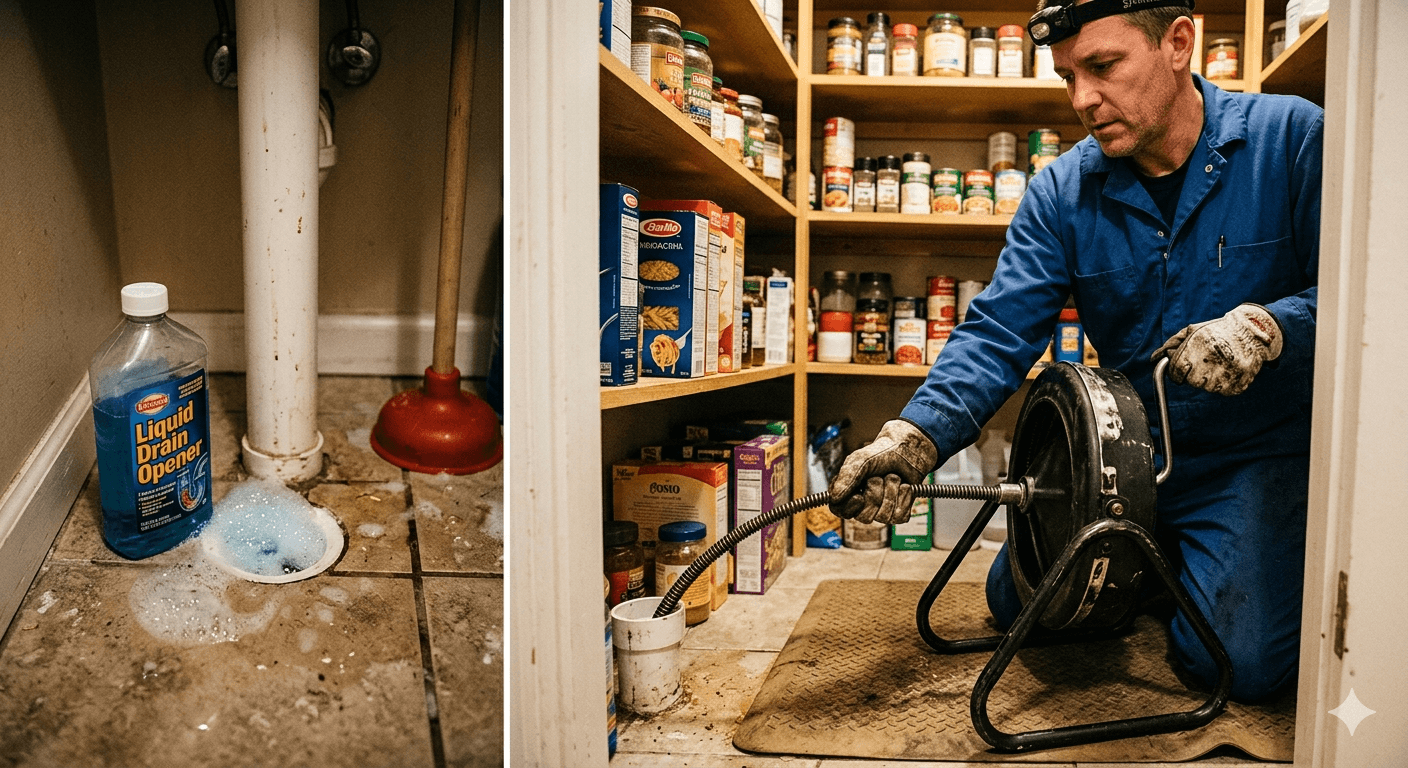
When the pantry fails: A professional closet auger can reach where bubbles can't.
Prevention Saves Cash
A box of baking soda costs a couple of bucks. A professional plumber visit in the US averages $164, and if it's an emergency night call in South Florida, you're looking at $391+ [4].
Do yourself a favor: once a month, flush your drains with a little warm water and soda to keep things clear. It's the cheapest insurance policy you'll ever buy.
We know that staring at a rising waterline in a toilet bowl is one of the most stressful moments a homeowner can face. It feels like a ticking clock. But remember: stay calm, skip the boiling water, and give the chemistry time to work. You've got the steps, you've got the safety rules, and most of the time, that pantry-staple "volcano" is all it takes to get your home back to normal. If it doesn't budge after two tries, don't sweat it—that's what we're here for. Give us a call, and we'll bring the heavy gear.
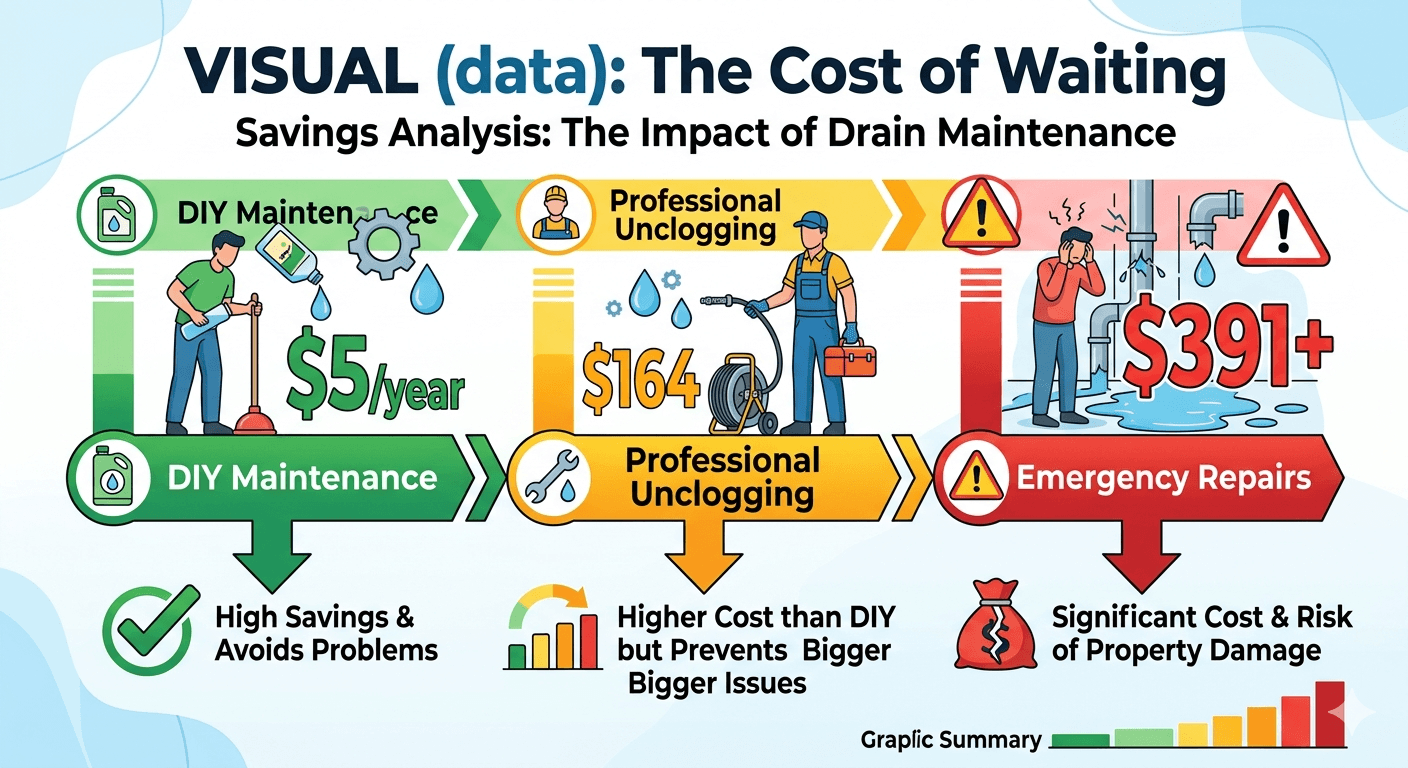
Savings Analysis: DIY maintenance ($5/year) vs. Professional Unclogging ($164) vs. Emergency Repairs ($391+).
References
[1] Cleaning Regulations and Material Safety — https://dezoff.ru
[2] Experimental Data on Reaction Stoichiometry — https://www.youtube.com/watch?v=D3_8FS2U7L8 (Demonstration)
[3] Technical Passports for Porcelain Masses — https://stomdevice.ru
[4] Plumbing Cost Statistics USA 2023-2024 — https://home.costhelper.com
[5] Physicochemical Properties of PVC — https://pndtryba.ru
[6] Expert Plumbing Opinions on Soda/Vinegar Method — https://balkanplumbing.com
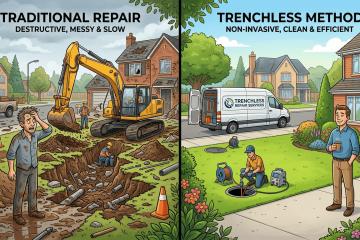
![Sewer Line Cost [2026]: How Much to Install or Replace?](/assets/components/phpthumbof/cache/intro-how-much-does-sewer-line-replacement-cost.1ffc2261302128f1b93862c056de123d.jpg)