









In Miami's unique climate, where consistent hot water is essential for both comfort and sanitation, proper water heater installation is crucial for optimal performance and safety. Whether you're replacing an old unit, upgrading to a more efficient model, or installing a system in a new construction, professional water heater installation services ensure your system operates efficiently while complying with Miami's specific building codes and environmental considerations. This comprehensive guide explores the key factors in selecting the right water heater, the professional installation process, Miami's regulatory requirements, and how to choose the right installation expert for your needs.
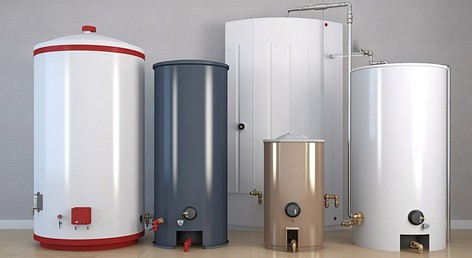
Choosing the Right Water Heater for Your Miami Home
Selecting the appropriate water heater involves considering your household's hot water needs, available energy sources, and Miami's specific environmental conditions.
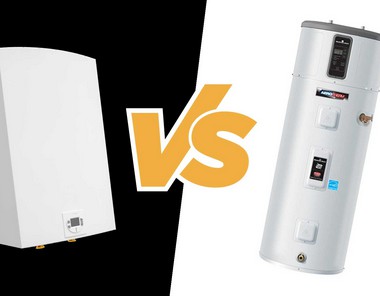
Tank vs. Tankless: Which is Better for Miami?
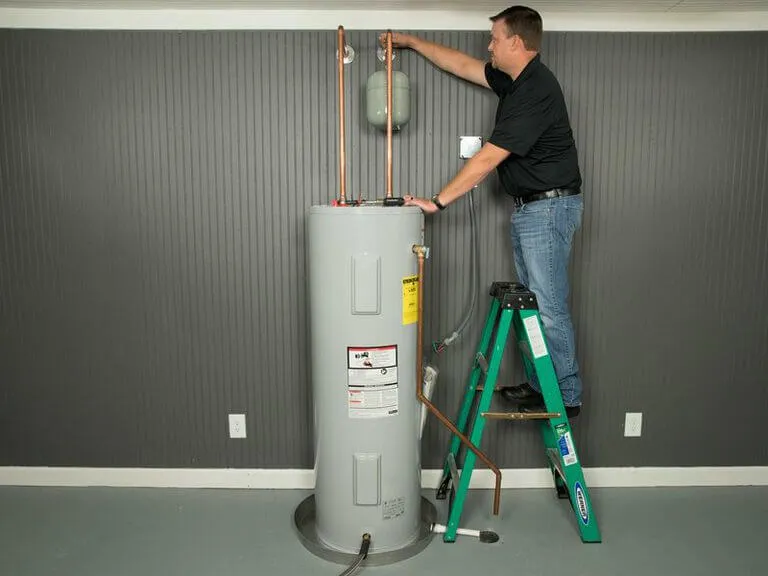
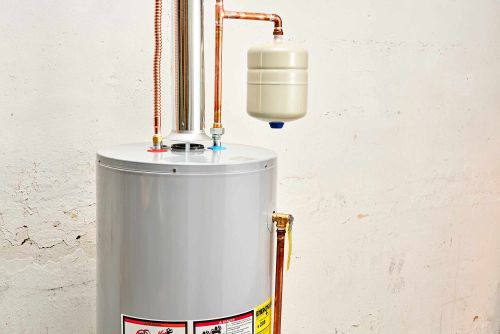
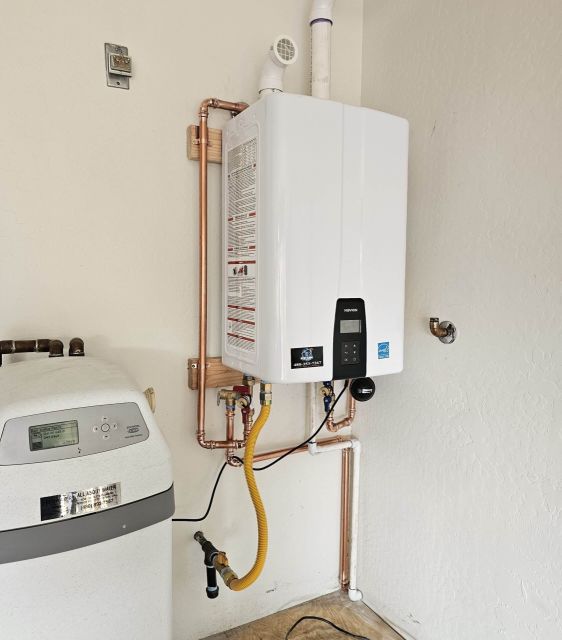
The choice between traditional storage water heaters and modern tankless water heaters depends on your specific needs and circumstances. Tank water heaters store and continuously heat 40-80 gallons of water, making them suitable for larger households with simultaneous hot water demands. However, they constantly consume energy to maintain water temperature. Tankless water heaters provide hot water on demand, offering greater energy efficiency and unlimited hot water supply, though with potential limitations on flow rate during multiple simultaneous uses. For Miami's climate, where indoor temperatures rarely drop below 60°F, tankless water heater installation often provides superior efficiency since the incoming water requires less heating. However, homes with high simultaneous hot water usage may benefit from the storage capacity of traditional tank models.
Gas vs. Electric: Making the Right Energy Choice
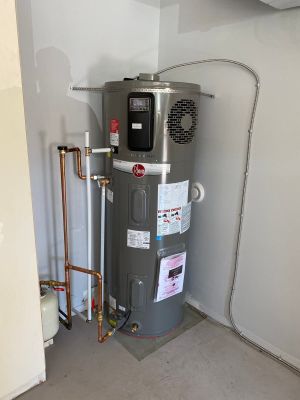
The decision between gas line connection and electrical connection for your water heater involves multiple considerations. Gas water heaters typically have lower operating costs in Miami, where natural gas prices are competitive, and they heat water more quickly, providing better recovery rates for large families. However, they require proper ventilation system installation and carry additional safety considerations. Electric water heaters are generally less expensive to install, easier to maintain, and can be placed in more locations since they don't require venting. They're also more energy-efficient, converting nearly all energy into heat. For Miami homes without existing gas lines, electrical connection often proves more cost-effective, while properties with existing gas infrastructure might benefit from the lower operating costs of gas models.