






Appliances work harder, using more energy, and you'll buy more soap and cleaners.
Your Home Deserves Best
Tailored Water Softening Solutions for Your Home
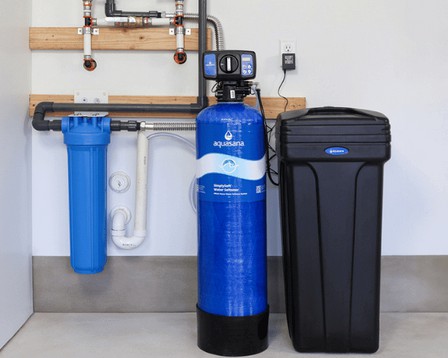
Efficient Ion Exchange Systems
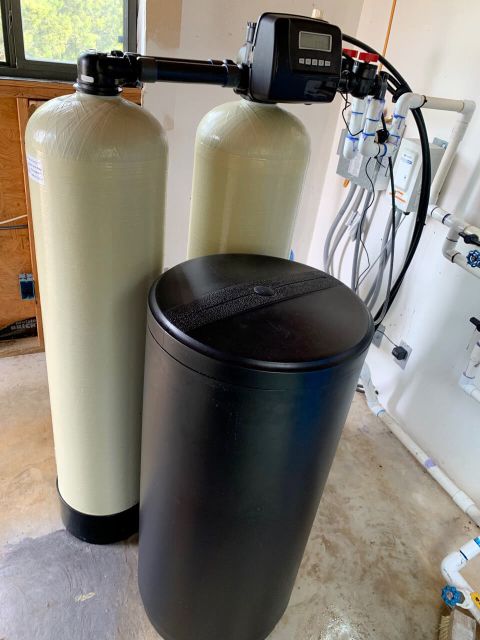
The most common and effective type. They remove calcium and magnesium ions through a regeneration process, providing truly soft water.
Salt-Free Water Conditioners
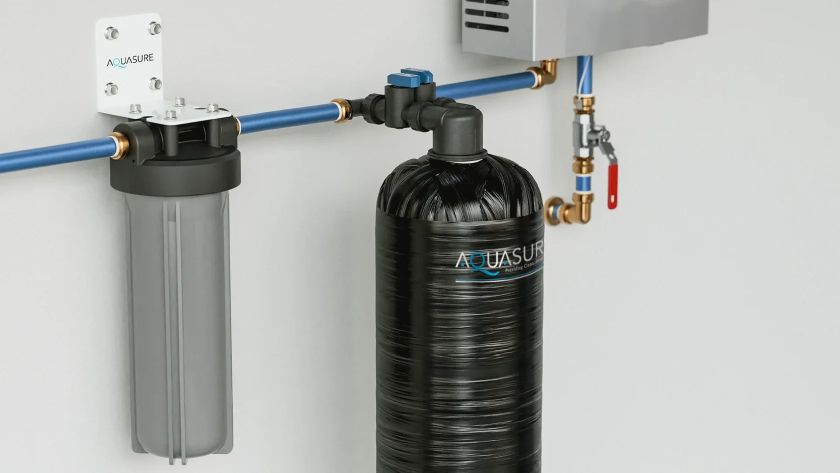
A great alternative where salt is not desired. They crystallize minerals to prevent scaling without removing them, requiring no regeneration.
Continuous Soft Water
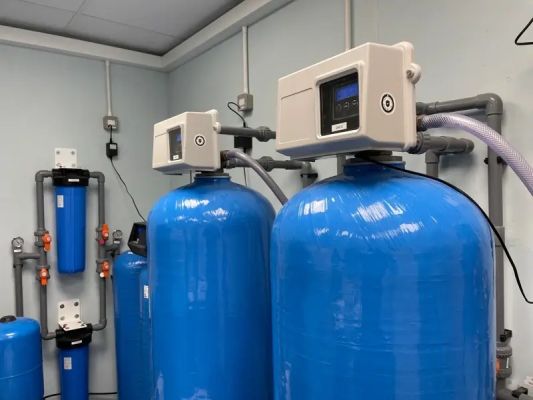
Ideal for large families. While one tank is in regeneration, the other provides an uninterrupted flow of soft water.
Hard Water Red Flags
Do You Have Hard Water? Look for These Tell-Tale Signs:
White, chalky scale buildup on faucets and showerheads.
Soap doesn't lather well, leaving a film on your skin.
Spots and streaks on glassware and dishes after washing.
Stiff, rough-feeling laundry after washing.
Reduced water pressure throughout your home.
Dry, itchy skin and dull hair.
Higher than expected water heating bills.
Clear Process
Our Hassle-Free Installation Process
Water Analysis & System Selection
We test your water's hardness and recommend the perfect system size and type for your home's needs.
Site Preparation & Plumbing
We choose the optimal location and prepare the plumbing connections for a seamless install.
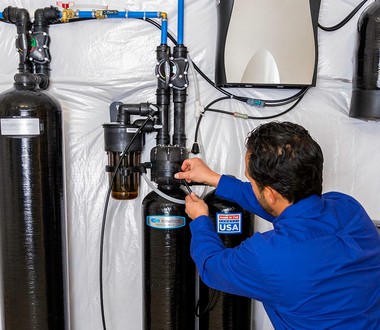
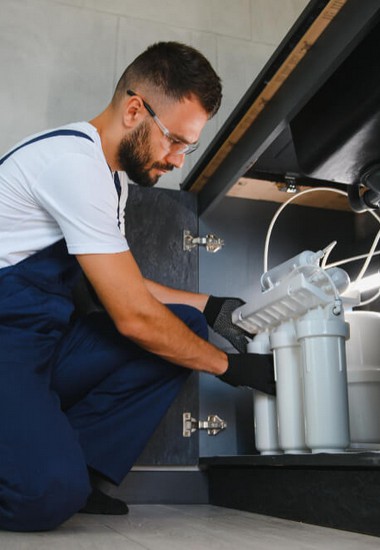
Professional Installation & Setup
Our certified technicians install the unit, configure the settings, and ensure it operates correctly.
Orientation & Clean-Up
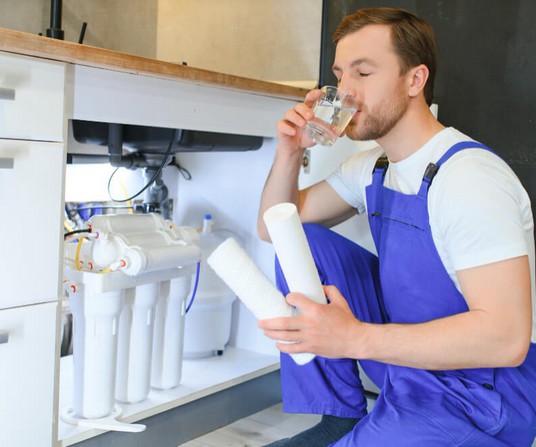
We explain how your new system works, answer questions, and leave your space clean.
Stop Guessing, Start Solving
Ready to End Hard Water Problems for Good?
Schedule a FREE water test today. We'll analyze your water and provide a no-obligation quote for a system that fits your home.
Find Your Answer
Water Softener Installation FAQs
Salt-based softeners remove hardness minerals, providing true soft water. Salt-free conditioners neutralize minerals to prevent scale but don't alter water feel. We'll recommend the best option based on your water test and goals.
Cost depends on system type, size, and plumbing complexity. We offer systems for various budgets and provide transparent, upfront pricing after the free water test.
Yes, softened water is safe for drinking and cooking. The sodium content added by salt-based systems is minimal, but we can also discuss bypass options for your kitchen tap if preferred.
Salt-based systems need periodic salt refills (every 2-3 months). Salt-free systems are virtually maintenance-free. We'll explain all care requirements during installation.
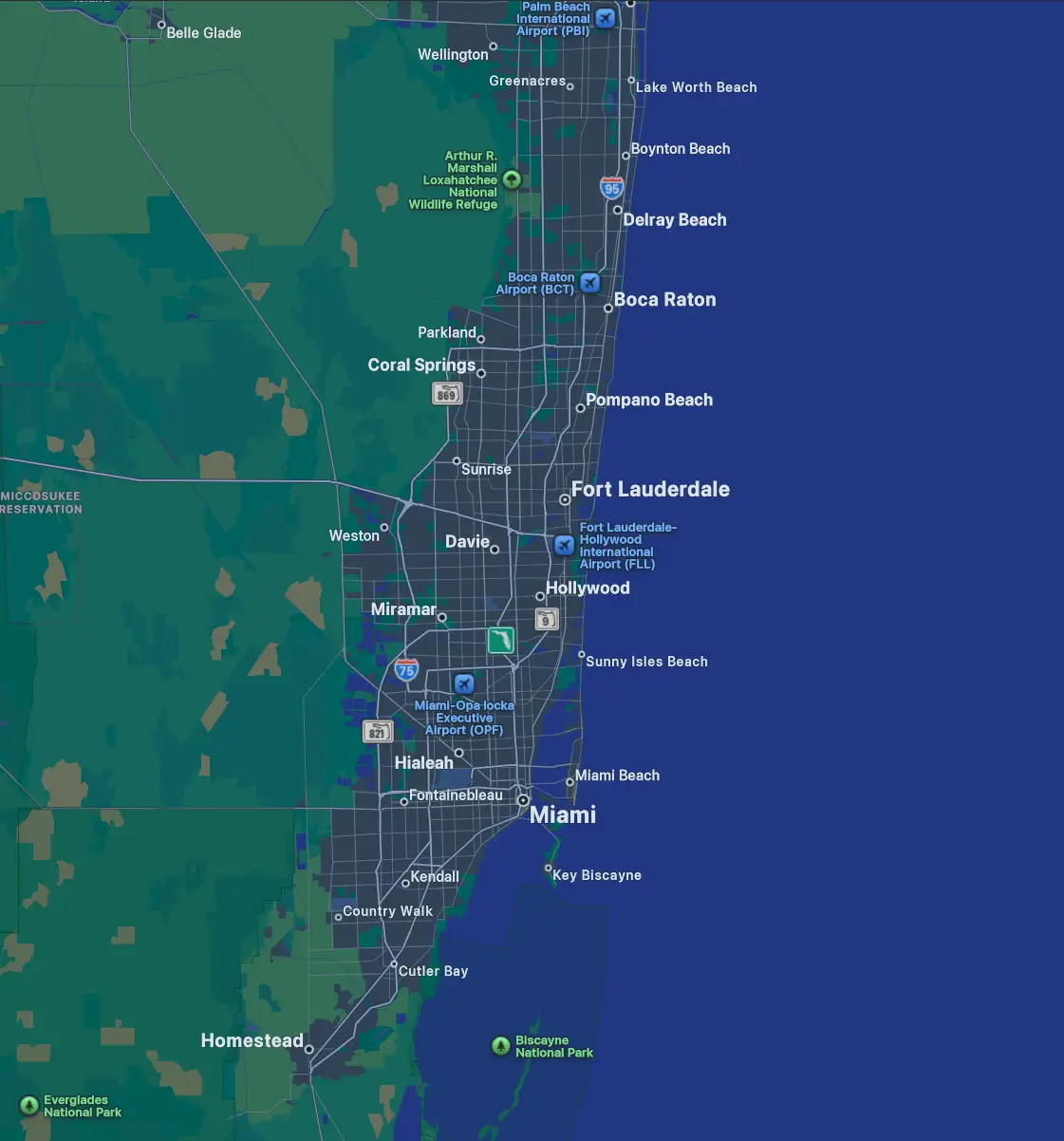
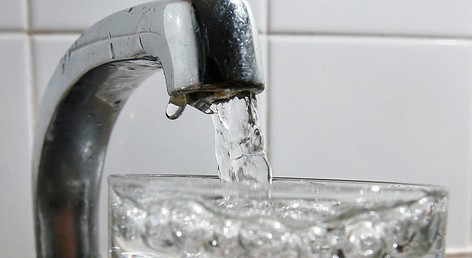
Miami's water supply, drawn primarily from the Biscayne Aquifer, contains high levels of calcium and magnesium carbonate, creating significant hard water problems for homeowners and businesses throughout the region. This mineral-rich water causes scale buildup in pipes and appliances, reduces soap efficiency, and can lead to dry skin and hair. Professional water softener installation provides an effective solution to these challenges, protecting your plumbing system, improving water quality, and extending the lifespan of your water-using appliances. This comprehensive guide explores Miami's unique water quality issues, the different water softener systems available, and why professional installation is crucial for optimal performance and longevity.
Understanding Hard Water and the Need for Softening in Miami
Recognizing the signs of hard water and understanding its impacts helps Miami residents make informed decisions about water treatment solutions.
What is Hard Water and How Does It Affect Your Home?
Hard water contains high concentrations of dissolved minerals, primarily calcium and magnesium, which accumulate as water percolates through limestone and other mineral deposits in the aquifer. In your home, this manifests as scale buildup inside pipes, water heaters, and appliances, reducing their efficiency and lifespan. You might notice spots on dishes and glassware after washing, reduced lathering from soaps and shampoos, and frequent water heater failures due to mineral accumulation on heating elements. The minerals in hard water also interact with soap to form a sticky scum that can leave residues on skin and hair, potentially causing dry skin and hair and making cleaning more difficult. Additionally, hard water can cause mineral stains on plumbing fixtures and require high detergent use to achieve proper cleaning.

Why Miami Homes Especially Need Water Softeners
Miami's geological characteristics make hard water particularly problematic throughout the region. The limestone bedrock that forms the Biscayne Aquifer readily dissolves calcium and magnesium into the water supply, resulting in water hardness typically ranging from 10-20 grains per gallon (gpg), which classifies as very hard to extremely hard water. The warm climate increases evaporation rates, further concentrating minerals in the water supply. Additionally, Miami's older infrastructure in many neighborhoods means that scale buildup can more quickly compromise plumbing systems already susceptible to corrosion. The combination of high mineral content, older plumbing, and heavy water usage for pools, landscaping, and cooling systems makes water softener installation particularly valuable for Miami properties seeking to protect their investments and improve water quality.
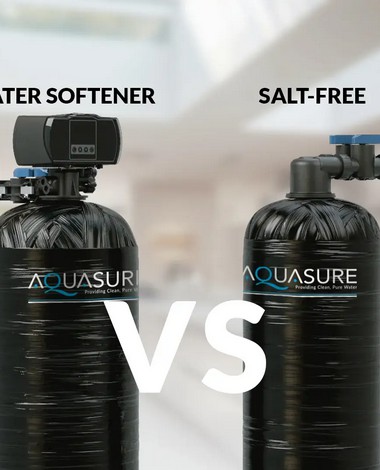
Choosing the Right Water Softener System
Selecting the appropriate water softening system requires understanding different technologies and how they match Miami's specific water conditions and household needs.
Types of Water Softeners: Salt-Based vs. Salt-Free
The two primary categories of residential water softeners use fundamentally different approaches to address hard water. Traditional salt-based water softeners utilize ion exchange technology, where cation exchange resins in the mineral tank exchange sodium ions for the calcium and magnesium ions that cause hardness. These systems require periodic salt regeneration cycles to recharge the resin beads, typically using a brine solution from a separate salt tank. In contrast, salt-free water softeners (often called water conditioners) use physical or chemical processes like template-assisted crystallization or magnetic fields to alter the structure of minerals so they don't adhere to surfaces. While salt-based systems provide true water softening through mineral removal, salt-free systems prevent scale without changing water chemistry, making them preferable for those concerned about sodium content or salt discharge into the environment.
Sizing and Features: What to Consider for Your Miami Home
Properly sizing a water softener is crucial for effective performance and efficiency. The appropriate size depends on your household's water consumption and the specific water hardness level in your area. A professional water testing can determine your exact hardness level, typically measured in grains per gallon. For most Miami homes, systems rated between 30,000-50,000 grains capacity are appropriate, though larger homes with multiple bathrooms may require higher capacity units. Modern water softener systems offer valuable features like demand-initiated regeneration that only runs when needed, saving water and salt. Digital controls allow precise programming based on your water usage patterns, while bypass valves simplify maintenance. For Miami homes with particularly challenging water conditions, additional carbon filters or reverse osmosis systems may be recommended to address other water quality issues alongside hardness.
The Professional Water Softener Installation Process
Professional installation ensures your water softening system functions correctly, efficiently, and in compliance with local plumbing codes.
Step-by-Step Installation Guide
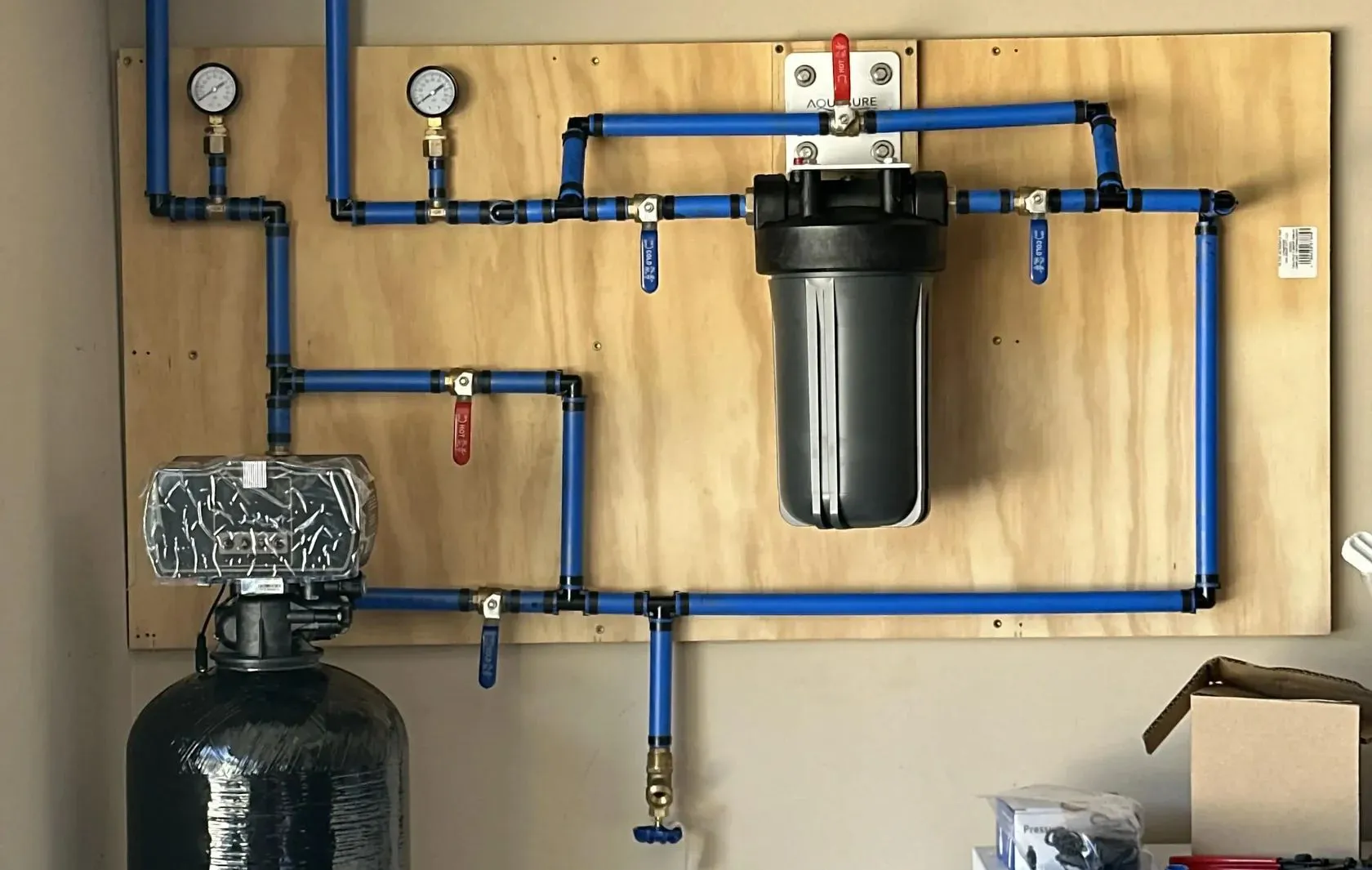
A comprehensive professional water softener installation follows a systematic process to ensure optimal performance. The installation begins with a thorough water testing to confirm hardness levels and identify any other water quality issues. The technician then performs system selection based on your test results, water usage patterns, and household size. The actual softener installation involves shutting off the main water supply, draining the system, and identifying the optimal location for the unit — typically where the main water line enters the home. The technician then cuts into the main water line to install the plumbing connection for the softener, ensuring proper flow direction. The drain connection is established for regeneration cycles, and where applicable, the brine tank is positioned and connected. After assembly, the system is programmed based on your water hardness and usage patterns before final system activation and testing to verify proper operation.
Why Professional Installation is Crucial for Performance
While DIY installation might seem cost-effective, professional water softener installation delivers significant advantages that justify the investment. Certified technicians ensure correct plumbing connection that maintains proper water pressure throughout your home and prevents leaks at connection points. They establish optimal regeneration setup based on accurate water usage calculations, preventing inefficient cycles that waste water and salt. Professional installers position systems to facilitate future maintenance and account for Miami-specific considerations like potential flooding areas or outdoor installation challenges. Perhaps most importantly, professional installation typically includes warranty protection that may be voided by DIY attempts. Additionally, experts can integrate water softeners with existing filtration systems and provide essential user education on operation, maintenance, and troubleshooting specific to Miami's water conditions.
Selecting Your Water Softener Installation Service in Miami
Choosing the right installation professional ensures your system is properly sized, correctly installed, and optimally maintained for long-term performance.
What to Look for in a Water Softener Installer
When selecting a provider for water softener installation services, prioritize companies with specific expertise in Miami's water challenges. Look for licensed plumbers with additional certifications in water treatment systems, indicating specialized training beyond basic plumbing. Choose installers who conduct comprehensive water testing before recommending equipment, rather than pushing predetermined solutions. Verify that they carry adequate liability insurance and offer warranties on both equipment and labor. Experienced Miami installers should understand local water variability between neighborhoods and how different systems perform with the specific mineral content in our area. Look for companies that provide clear explanations of system options, honest recommendations without unnecessary upselling, and transparent pricing with no hidden fees. Finally, select installers who offer ongoing maintenance services to keep your system performing optimally year after year.
Conclusion: Enjoying the Benefits of Soft Water in Miami
Investing in professional water softener installation transforms Miami's challenging hard water into a treated resource that enhances your home environment and protects your plumbing investments. From eliminating scale buildup that damages appliances to reducing high detergent use and improving skin and hair condition, the benefits of softened water extend throughout your household. By selecting the right water softener system for Miami's specific mineral content and ensuring proper professional installation, you'll enjoy cleaner dishes, softer laundry, longer appliance lifespan, and improved water efficiency. Don't let hard water continue to cost you in repairs, replacements, and unnecessary cleaning products — consult with a qualified Miami water treatment specialist to explore how a properly installed water softener can benefit your home and family for years to come.