










Certified Septic System Inspection
Protecting your property's value and environmental health begins with a professional septic system inspection. Whether you are preparing for a home sale or performing routine maintenance, a certified and licensed evaluation ensures your wastewater treatment is safe, functional, and compliant with local regulations.
Expert Septic System Evaluations for Homeowners & Real Estate Sales
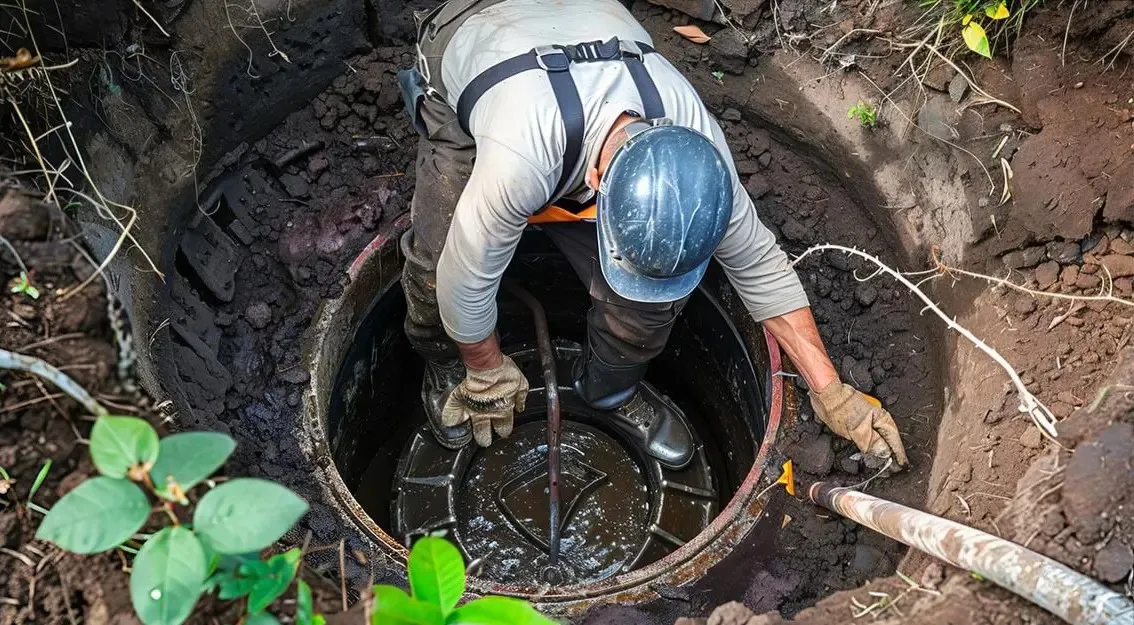
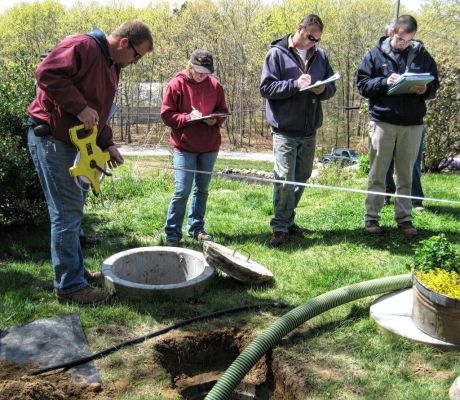
A septic system inspection is a specialized service that goes beyond a standard home audit. It provides a detailed look at the underground infrastructure that keeps your home running smoothly.
When Do You Need a Professional Septic Inspection?
The EPA recommends a routine septic inspection every one to three years to monitor system health. However, immediate inspections are often required during:
- Real Estate Transactions: Most lenders require a passing report before a property transfer.
- Home Additions: Expanding your home may require a capacity review of your existing tank.
- System Failure Signs: If you notice odors or backups, an immediate evaluation is critical.
Routine Maintenance vs. Real Estate Transaction Inspections
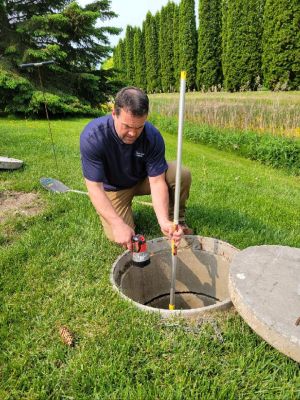
A routine check is a visual audit of solids and liquid levels to determine if pumping is needed. In contrast, a real estate septic inspection is a detailed forensic audit involving documentation, permits, and thorough testing of the drainfield to protect the buyer's investment.
Advanced Diagnostics: Dye Tests and Camera Inspections
For a deeper look into the health of your pipes, we utilize advanced technology:
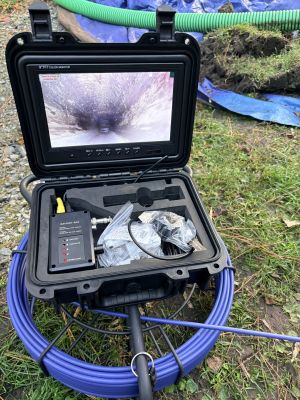
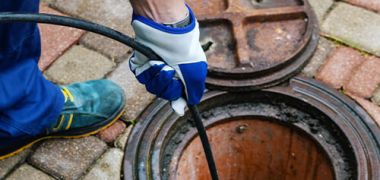
- Camera Scopes: A sewer scope camera allows us to see inside the lines to detect root intrusion, hidden cracks, or pipe offsets.
- Dye Testing: By flushing non-toxic dye through the system, we can track the flow rate and identify hidden leakage in the absorption area.
Warning Signs: Common Septic Failure Red Flags
Early detection can prevent repairs that cost ten times more than an inspection. Contact a professional immediately if you see:
- Lush Vegetation: Unusually green grass over the drainfield.
- Slow Drains: Gurgling sounds or slow drainage in sinks and toilets.
- Pooling Water: Muddy soil or standing water near the tank area.
- Foul Odors: Persistent "rotten egg" smells in your yard.